Sandhya Fuchs in conversation about her 2025 APLA Book Prize in Critical Anthropology winner, Fragile Hope: Seeking Justice for Hate Crimes in India (Stanford Press 2024), with Sahana Ghosh, Bhanwar Meghwanshi, and Pakeezeh Baruah.
Want to learn more? See additional links and resources:
Organizations involved in Dalit Rights and Movement for Justice:
- Centre for Dalit Rights, Jaipur: About Us – Center for Dalit Rights
- All India Dalit Mahila Adhikar Manch All India Dalit Mahila Adhikar Manch (AIDMAM) – NCDHR
- National Dalit Movement for Justice: National Dalit Movement for Justice – National Campaign on Dalit Human Rights
- Action Aid India, Jaipur actionaidindia.org/project_category/jaipur/
- Indian Institute for Dalit Studies IIDS – Indian Institute of Dalit Studies
Literature and texts concerning Dalit Studies:
- Judicial Atrocity? | Economic and Political Weekly
- Justice Under Trial.indd
- Dalit Women Speak Out: Caste, Class and Gender Violence in India, Irudayam S. J., Mangubhai, Lee
- I Could Not Be Hindu: The Story of a Dalit in the RSS: Bhanwar Meghwanshi: 9788194865490: Amazon.com: Books
- Dearer Caste and Cheaper Lives: The SC and ST (Prevention of Atrocities) Act and the Double Violence of Law in India – Javed Iqbal Wani, L. David Lal, 2024
- ‘Final Reports’ under Sec-498A and the SC/ST Atrocities Act | Economic and Political Weekly
- No Lockdown on Caste Atrocities: Stories of Caste Crimes During the COVID-19 Pandemic – Zubaan
- “From Hierarchy to Hindu Politeness”, in Surinder Jodhka and James Manor eds. Waning Hierarchies, Persistent Inequalities, Caste and Power in 21st Century India. [ 2018 Orient Longman New Delhi
 Sandhya Fuchs is Assistant Professor in Criminology at the University of Bristol, UK. From September 2026, she will take up the Professorship for South Asian Anthropology at the South Asia Institute (SAI), University of Heidelberg in Germany. Sandhya specializes in legal anthropology, and her work explores the relationship between legal institutions, histories of marginalization, and culturally embedded concepts of truth, violence, hope and justice in South Asia and the South Asian diaspora. Her first book “Fragile Hope: Seeking Justice for Hate Crimes in India,” analyses the social life of India’s only hate crime law: the 1989 Scheduled Castes/Scheduled Tribes Prevention of Atrocities Act (PoA). It won the James Busuttil Prize for Human Rights scholarship awarded by the Royal Asiatic Society awarded by and the 2025 APLA Book Prize in Critical Anthropology, awarded by the Association for Political and Legal Anthropology. Sandhya holds a PhD in Social Anthropology from the London School of Economics and Political Science (LSE), a MPhil in Social Anthropology from the University of Oxford, and a BA in Anthropology and Philosophy from Colby College, ME, USA.
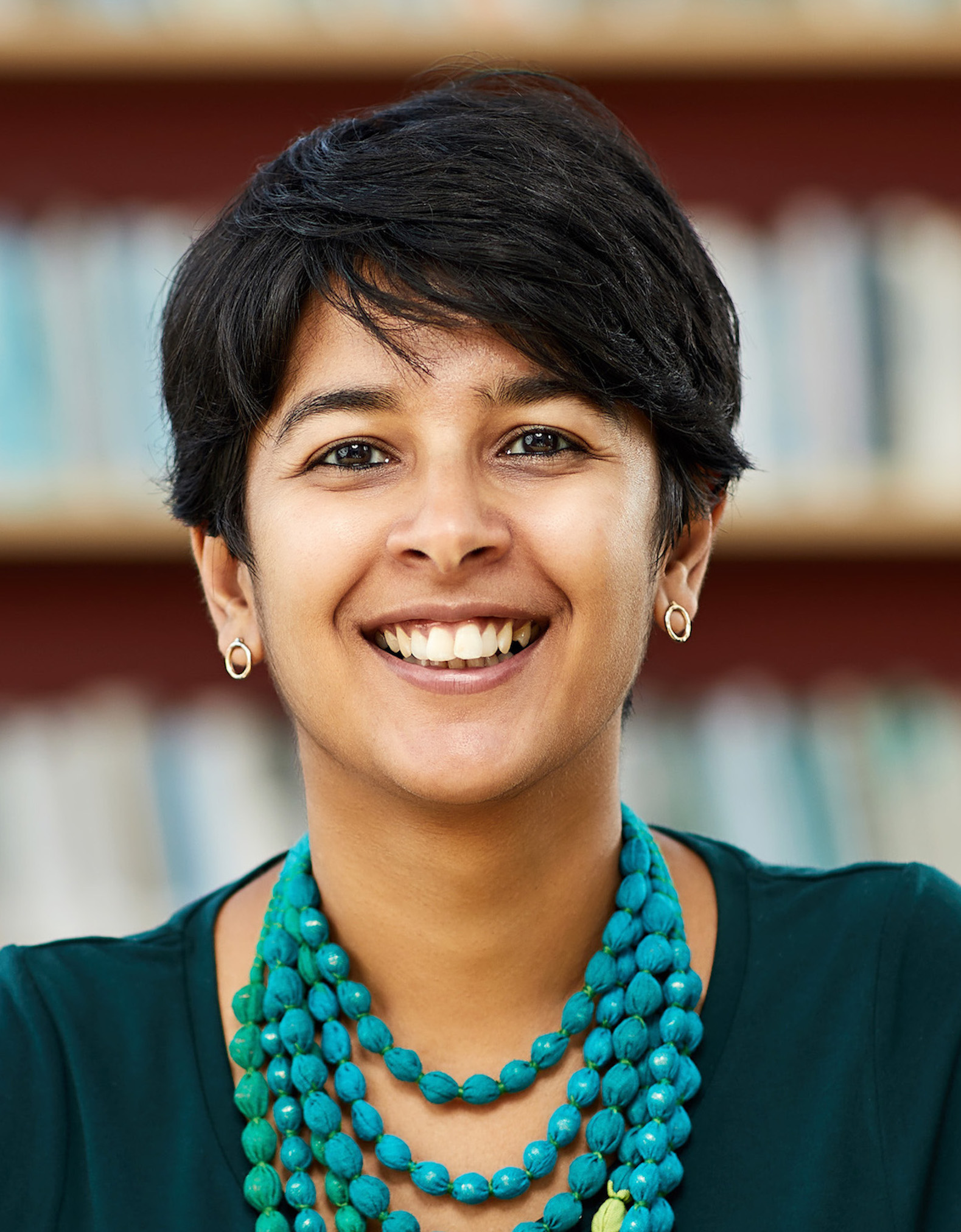 Sahana Ghosh is a political anthropologist who conducts research in India and Bangladesh. Using ethnographic, feminist, and historical research methods, she focuses on the lived experiences and contested histories of mobility, borders, and postcolonial security regimes. Her first book A Thousand Tiny Cuts: Mobility and Security Across the India-Bangladesh Borderlands (University of California Press, 2023 / Yoda Press, 2024), chronicles the slow transformation of a connected region into national borderlands and shows the foundational place of gender and sexuality in the making and everyday practices of migration and border security. She is currently writing a book about the gendered economies and labors of soldiering that undergird the Indian security state.
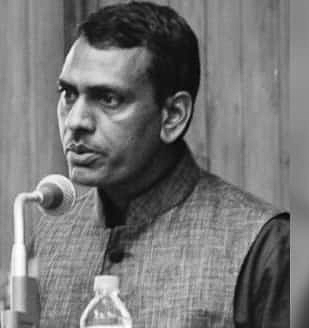 Bhanwar Meghwanshi is a social activist, journalist and writer. He joined the Rashtriya Swayamsevak Sangh (RSS) during his teenage years and rose in the organisation’s ranks. During the Babri Masjid demolition movement, he joined the karsevaks to go to Ayodhya. His arrest became a turning point of his life, prompting him to question the RSS’ casteist realities, and eventually leave the organisation. He founded platforms such as Diamond India, Khabarkosh and Shoonyakaal to amplify marginalised voices. He has also worked with the Mazdoor Kisan Shakti Sangathan and played an important role in implementing laws such as RTI, NREGA and the Food Security Act. His book I Could Not Be Hindu (originally written in Hindi as Main Ek Kar Sevak Tha) has been translated into multiple languages.
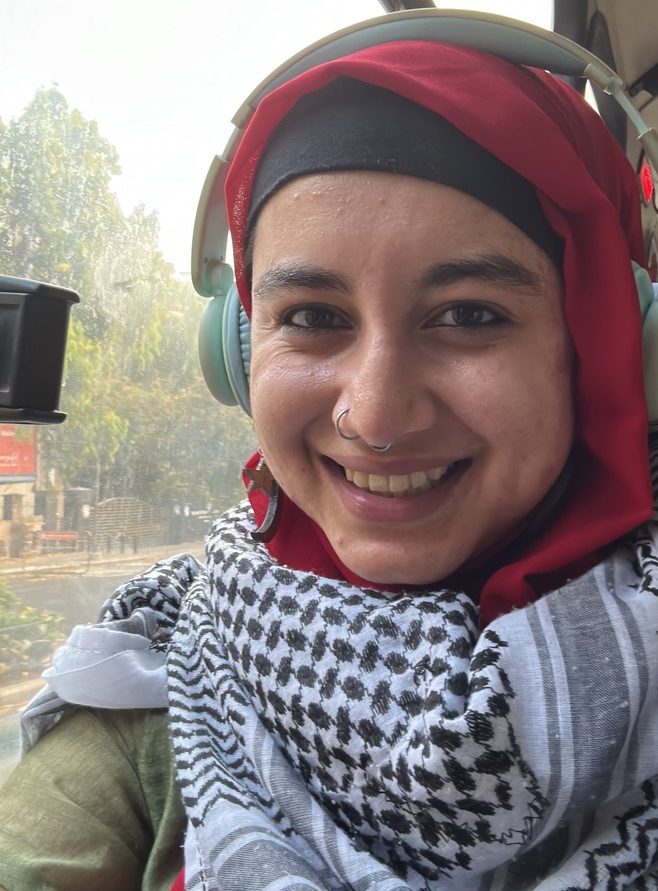 Pakeezeh is a PhD student in the Department of Sociology and Anthropology at the National University of Singapore. Their research focuses on eviction, statelessness and land rights.

 Association for Political and Legal Anthropology