By Emily Riley
During this summer’s Republican National Convention in Cleveland, Ohio, on multiple occasions delegates chanted “Lock her up!”…
The section of the American Anthropological Association committed to critical study of politics and law

By Emily Riley
During this summer’s Republican National Convention in Cleveland, Ohio, on multiple occasions delegates chanted “Lock her up!”…

By Sophia Balakian What does an anthropological engagement with policing look like? What can ethnography contribute to urgent practical issues in contemporary policing?…
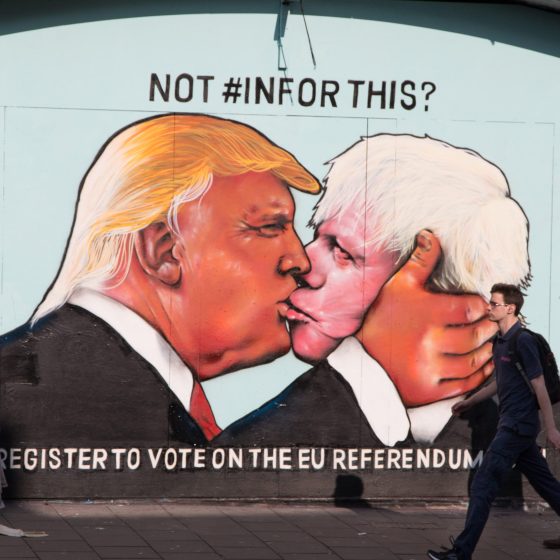
In the days after the Brexit referendum, a friend in California confided that every morning he searched the internet for articles explaining why the Brexit outcome did not mean Donald Trump…

By Felix Stein. The decision of people in Britain to leave the European Union has come as a surprise, even a shock to most of my friends and colleagues who work in academia here in England…

These panels bring together scholars in the emerging subfield of “critical police studies.” CPS scholars use qualitative methods and draw on a range of data sources to critically examine the dynamics of race and class in law enforcement…

The widespread protests that followed the killing of Michael Brown in Ferguson, Missouri in 2014 and Freddie Gray in Baltimore, Maryland in 2015 capture the controversial nature of policing in racially marginalized communities…
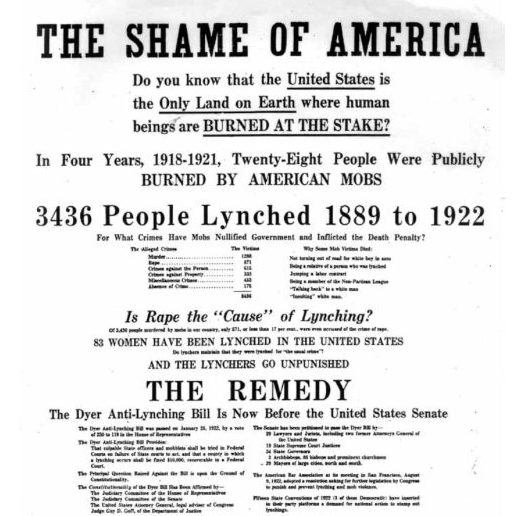
Law and society scholarship illuminates how law can inform and react to social change that takes shape through social movements and in everyday life…

The Ethnography Collaborative Research Network within the Law and Society Association is sponsoring several panels and events of interest to anthropologists. APLA is featuring a preview of the panels and papers…

Papers in Part III, presented here, explore the subjective dimensions of law and politics in situations where the contours of legality are contested…
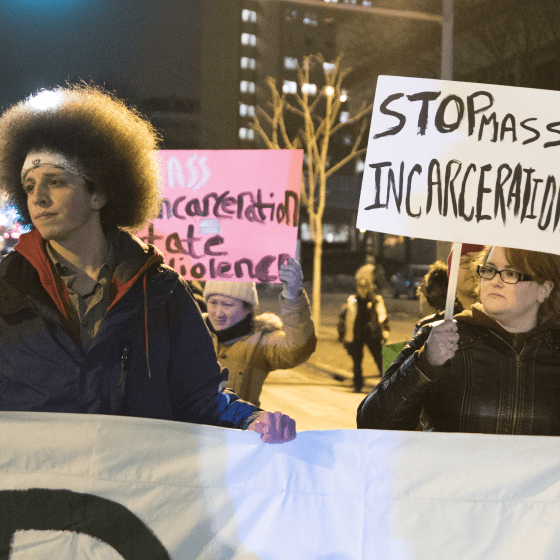
These three linked sessions present detailed ethnographic examinations of the legal governance of crime, punishment, risk and security…

The May 2016 issue of PoLAR: Political and Legal Anthropology Review (Volume 39, Issue 1) is now available. It features a symposium on Climate Change Transformations and 6 original articles…

These three linked sessions present detailed ethnographic examinations of the legal governance of crime, punishment, risk and security…

The Ethnography Collaborative Research Network within the Law and Society Association is sponsoring several panels and events of interest to anthropologists…

PoLAR: Political and Legal Anthropology Review’s fourth emergent conversation features a variety of perspectives regarding the American Anthropological Association’s (AAA) vote on a possible boycott … More

APLA (Association for Political and Legal Anthropology) is pleased to announce that the 2016 Student Paper Prize is open for submissions. The APLA Board invites individuals who are students in a graduate degree-granting program to send stand-alone papers centering on political and/or legal institutions and processes…
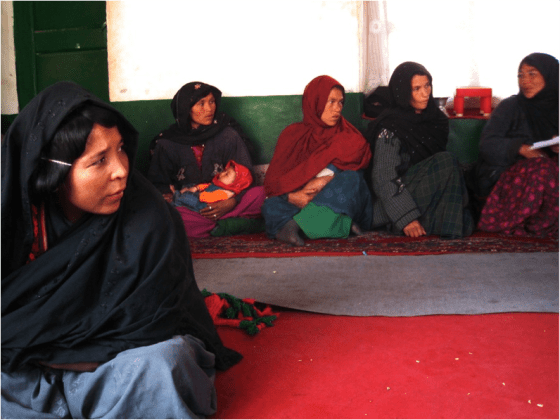
PoLAR co-editor Heath Cabot interviews Julie Billaud about her monograph, Kabul Carnival: Gender Politics in Postwar Afghanistan, and the issues it raises for political anthropology. The book is an ethnographic exploration of gender politics, humanitarianism and legal reform in “postwar reconstruction” Afghanistan.
 Association for Political and Legal Anthropology